
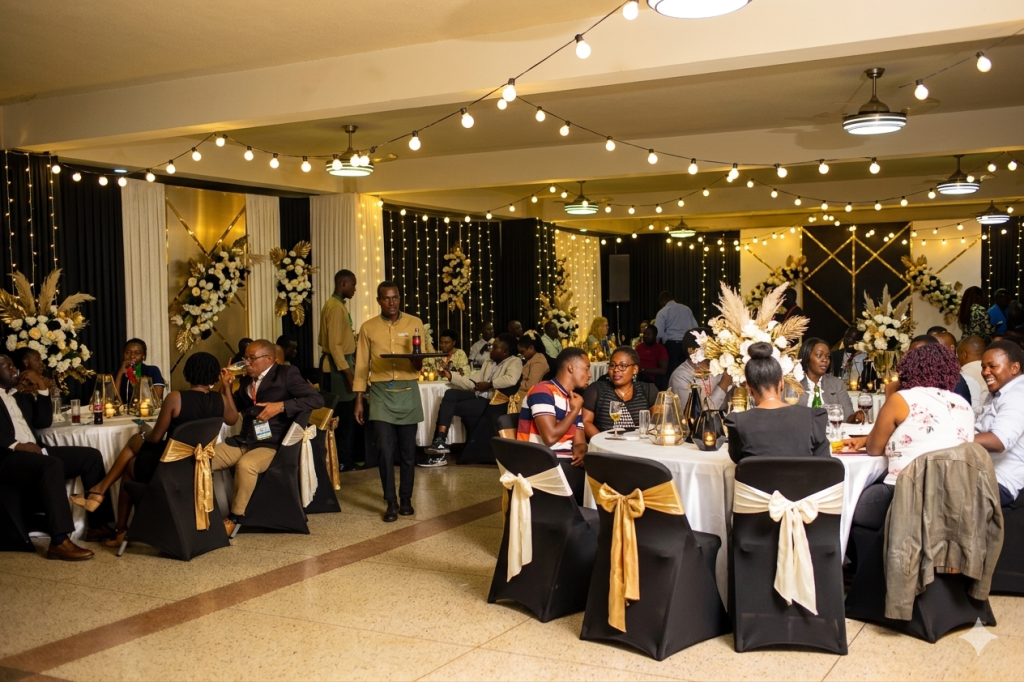
A corporate dinner is a high-stakes reflection of an organization’s brand, culture, and achievements. Far beyond a simple social gathering, these events are strategic touchpoints designed to honor key milestones, celebrate shared successes, and deepen relationships with vital stakeholders. Bringing a premium event to life requires balancing precise, behind-the-scenes logistics with a flawless guest experience. From managing strict room capacities to engineering the perfect room atmosphere, every operational detail directly impacts how your brand is perceived.
This guide provides a practical, step-by-step framework to confidently navigate the complexities of a corporate dinner planning. By focusing on strategic vendor management, meticulous site mapping, and structured timelines, you can eliminate operational friction and deliver an unforgettable evening that elevates your organization’s reputation.
Phase 1: Establishing Intent, Budgets, and Timelines
- Defining the Purpose and Goals
- Every successful dinner begins with a clear, singular objective whether celebrating an organization’s major milestone, raising critical funds, or launching an innovative product.
- Documenting specific goals early ensures every planning decision directly supports your core mission and keeps internal teams working toward the same vision.
- Building a Realistic Budget
- Create an itemized financial roadmap that categorizes expenses across primary areas like venue hire, catering, audiovisual production, and entertainment.
- Allocate a dedicated 10% to 15% contingency reserve within the budget to confidently absorb unexpected operational costs or last-minute vendor adjustments without compromising event quality.
- Mapping the Critical Path Timeline
- Develop a backward-planned schedule starting from the date of the event, establishing strict deadlines for venue confirmation, vendor bookings, and guest invitations.
- Assign clear ownership and accountability for each milestone so your team knows exactly who is driving every deliverable from day one.
Phase 2: Venue Selection and Site Mapping
- Evaluating Venue Suitability
- Choose a venue that naturally aligns with your event’s tone and has the proven capacity to host your final guest list comfortably.
- Verify that the location fully complies with local safety regulations and accessibility standards so every attendee feels secure and welcome from the moment they arrive.
- Architectural Site Mapping
- Create a detailed floor plan that maps out the exact placement of the main stage, guest tables, audiovisual control booths, and emergency exits.
- Design clear, spacious pathways throughout the room to allow guests and service staff to move smoothly between registration areas, bars, and dining tables.
- Reviewing Technical Infrastructure
- Inspect the venue’s power supply directly with their engineering team to ensure it can safely handle heavy lighting rigs, sound systems, and LED screens without tripping.
- Test the venue’s internet bandwidth beforehand to guarantee a stable connection for live streaming, digital displays, or real-time registration apps.
Phase 3: Theme Development and Atmosphere Engineering
- Selecting a Purpose-Driven Theme
- Choose a central theme that naturally reflects your company’s identity and reinforces the main objective of the evening.
- Standardize this visual identity across all touchpoints, including physical invitations, digital backdrops, stage designs, and printed programs, to create a unified experience.
- Engineering Atmosphere Through Lighting
- Use strategic lighting design to guide the room’s energy, shifting from warm, welcoming tones during registration to focused, dynamic colors for the dinner and presentations.
- Use targeted spotlights to highlight key focal points like the main stage, award podiums, and centerpiece displays, keeping guest attention exactly where it belongs.
- Acoustic Design and Sound Management
- Position high-quality speakers evenly across the space to guarantee clear, intelligible speech delivery for every presentation and speech, regardless of where guests are seated.
- Monitor and adjust audio levels carefully throughout the evening, keeping background music at a volume that allows guests to converse comfortably during their meals.
Phase 4: Vendor Coordination and Contract Enforcement
- Catering and Menu Architecture
- Work closely with the culinary team to design a balanced menu that accommodates diverse dietary needs, preferences, and allergens without compromising on presentation.
- Align the pacing of the food service precisely with the master event script so that courses are served and cleared without interrupting speeches or entertainment.
- Managing AV and Production Partners
- Schedule a mandatory, full-scale technical rehearsal with your audio-visual team prior to guest arrival to test all mics, videos, and lighting cues.
- Establish explicit agreements that detail exact load-in times, setup deadlines, and the specific on-site backup equipment required to handle sudden technical issues.
- Strict Contract Supervision
- Review every vendor contract thoroughly, ensuring clear terms regarding cancellation policies, liability limits, and required insurance coverage.
- Structure vendor payment schedules around clear, measurable delivery milestones rather than relying solely on upfront lump-sum deposits.
Phase 5: Event Technology and Digital Engagement
- Streamlining Guest Registration
- Use a reliable, digital check-in platform to eliminate entry queues and long wait times at the door.
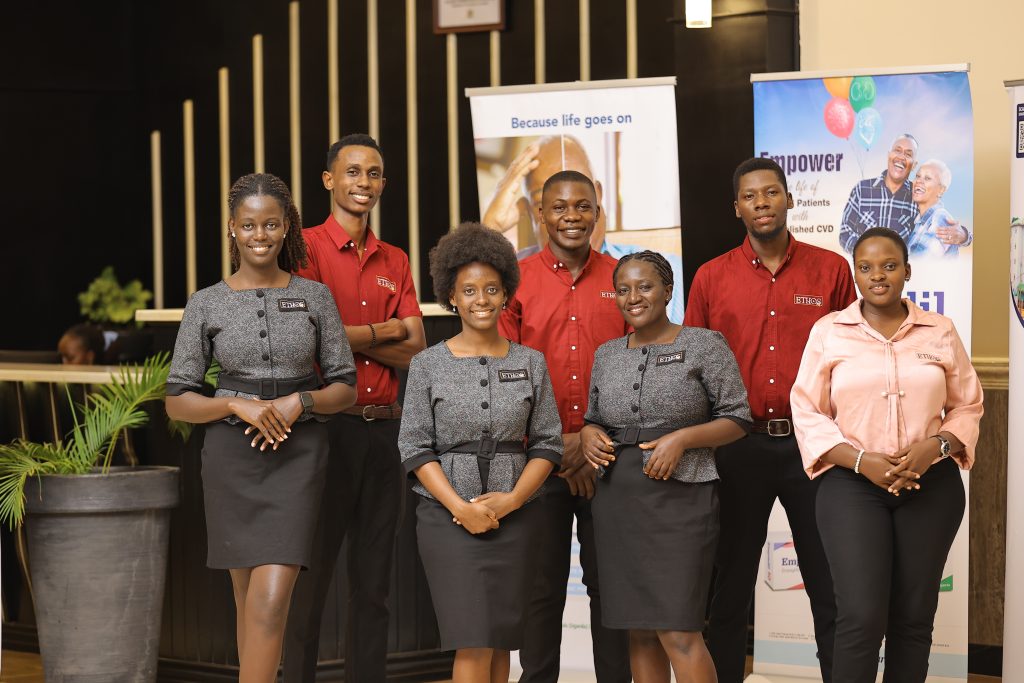
- Equip your arrival team with scanning devices or tablets to check in guests instantly, track attendance numbers in real time, and route VIPs to their designated seating smoothly.
- Interactive Media Solutions
- Integrate interactive elements, such as live digital displays or curated social walls, to keep attendees actively connected and engaged throughout the evening.
- Use high-definition screens to showcase dynamic branding, celebrate organizational milestones, and give prominent visibility to event sponsors.
Phase 6: Master Run-of-Show and Live Execution
- The Master Timeline Blueprint
- Map out a minute-by-minute timeline that details every single cue, from the opening speaker walk-up to meal service transitions and video playbacks.
- Distribute this finalized master document to your technical directors, stage managers, and catering leads so the entire team operates from a single source of truth.
- On-Site Team Communication
- Equip all essential crew members with dedicated radio headsets to ensure instant, clear communication across the venue.
- Appoint a specific stage manager or team leader to handle backstage logistics, keep speakers on schedule, and prepare talent before they step into the spotlight.
- Handling Live Disruption
- Establish clear, practical backup steps for potential hiccups, such as a delayed VIP arrival or a temporary technical issue.
- Maintain a calm, decisive presence on site, empowering your core team to adjust timing or shift program segments seamlessly without alerting the audience.
Phase 7: Post-Event Breakdown and Review
- Systematic Venue Handover
- Supervise the breakdown and removal of all vendor equipment immediately after the event, ensuring the space is cleared safely and according to the venue’s strict timeline.
- Walk through the entire venue with the facility manager to document the condition of the space and officially sign off on a successful handover.
- Stakeholder Evaluation and Feedback
- Send out a short, targeted feedback survey to guests and internal stakeholders while the experience is still fresh in their minds.
- Schedule a debrief meeting with your core planning team to review what worked perfectly, analyze final budget figures, and document clear lessons for your next corporate event.
Conclusion
Delivering a successful corporate dinner requires balancing practical, behind-the-scenes logistics with a welcoming atmosphere. True success happens when every technical cue, room design choice, and schedule milestone works together to naturally highlight your organization’s core purpose.
A thoughtfully planned evening does more than host guests; it strengthens professional relationships, builds organizational trust, and protects your brand’s reputation. By following a clear, step-by-step approach from the first site layout to the final pack-up, you can confidently transform a complex planning process into a smooth and unforgettable experience for everyone involved.