
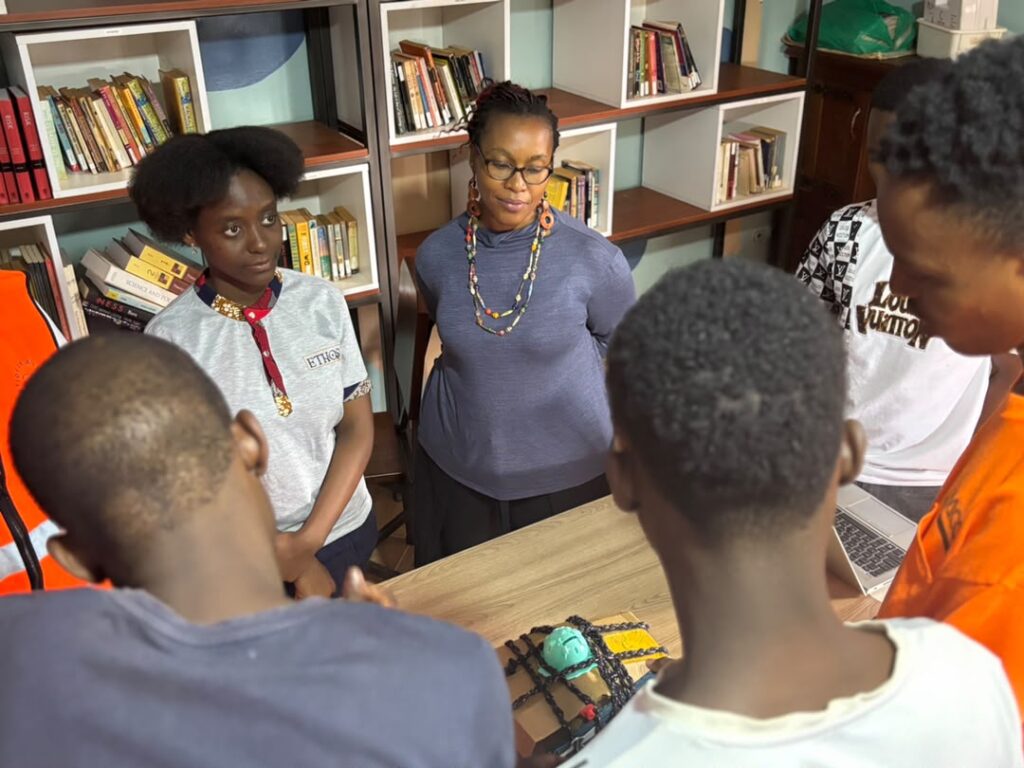
Why does communication matter in Event Organization?
Think about the last event you attended. It may have been a conference, a festival, a wedding, a community meeting, or a school function.
If everything ran smoothly, the event organizer communicated well. The event team knew their exact roles. Guests received clear information. Staff and volunteers handled sudden problems without confusion.
Now imagine the opposite.
Attendees arrive confused. Instructions are vague. Vendors and team members ask the same questions repeatedly. Small logistics mistakes turn into major delays. In most cases, the core problem is not poor planning—it is poor communication by the organizer.
Industry Insight: Across 15 years of managing corporate conferences, trade shows, and technical event teams, data shows that 80% of operational failures stem directly from unclear briefings before the event, not equipment breakdowns.
Many people think organizing an event simply means giving orders on event day. True event organizers help their teams, vendors, and partners understand expectations, stay aligned, and execute efficiently.
Every organizer communicates, but strong organizers communicate with direct purpose. They listen to suppliers, give clear directions to staff, answer guest questions, and coordinate seamlessly across multiple teams.
What Is Event Communication?
Event communication is the direct, purposeful transfer of goals and expectations that drives teams, vendors, and venues to take clear action. In fast-paced event environments or high-value exchanges—like securing in-kind sponsorships—communication directly determines success or failure.
Poor communication leads to missed run-of-show deadlines, confused staff, and lost sponsor partnerships. Clear communication builds confidence, speeds up setup, and ensures every stakeholder delivers on their promises.
Whether briefing a volunteer crew, negotiating venue terms, or directing an on-site stage manager, strong event organizers focus on stating precise objectives, setting firm roles, and confirming mutual understanding before any work begins.
The 10 Communication Skills Every Event Organizer Should Master
Great event organization relies on clear execution, not flawless luck. When an event runs over schedule or a main-stage setup stalls, the root cause is rarely a lack of effort—it is a breakdown in how information was shared. Mastering these ten core communication skills allows you to align your team, protect your run-of-show timeline, and manage high-pressure situations with calm authority.
1. Active Listening
Active listening means giving full attention to the speaker, absorbing their point, and confirming facts before reacting to prevent costly assumptions. For instance, an event organizer avoids sound delays by listening carefully to a caterer’s power requirements instead of interrupting with schedule demands, just as an organizer uncovers the root cause of a delayed registration line by letting the front-desk lead explain the situation fully before responding. To practice this today, repeat a supplier’s or technician’s main point back to them to confirm exact requirements before moving forward.
2. Delivering Clear Instructions
Vague instructions create confused event staff and weak results, whereas clear communication states exactly who must do what, when, and where. An organizer achieves this by telling an usher to check VIP badges at Gate 2 until 10:00 AM rather than simply asking them to watch the entrance, or by requesting a full vendor load-in schedule by Friday at 3:00 PM instead of asking for it “soon.” You can apply this immediately by including exact names, locations, times, and numbers in every task delegation.
3. Empathy
Empathy allows organizers to recognize stress and physical fatigue early so they can offer support before event execution suffers. An observant organizer demonstrates this by noticing registration volunteers looking overwhelmed during peak arrival hours and sending quick relief, or by checking in on crew members working late night load-ins and reassigning low-priority tasks. Use this skill today by asking your team: “What operational roadblock is currently slowing your area down?”
4. Direct Confidence
Confident communication lowers team anxiety and maintains control, especially when unexpected venue changes threaten your plan. An event organizer applies this by calmly announcing a 15-minute speaker delay to a main stage audience without showing panic, or using a steady tone when explaining emergency schedule adjustments to sponsors. To build instant authority under pressure, pause for two full seconds before responding to sudden disruptions.
5. Open Body Language
Non-verbal signals set the tone for the entire event floor. Keeping an open posture encourages staff and volunteers to raise critical problems early. An event organizer establishes immediate trust by greeting keynote speakers and VIPs with direct eye contact, or shows respect by stepping away from their walkie-talkie screen the moment a staff member asks for help. Strengthen your presence today by keeping uncrossed arms, maintaining eye contact, and facing speakers directly.
6. Asking Better Questions
Asking targeted, open-ended questions uncovers hidden operational risks before those risks turn into public event failures. An organizer uses this strategy by asking an audio technician, “How are we handling backup power for the keynote?”, or asking the catering lead, “What parts of the dinner service are most at risk of running late?” Today, start operational checks with “How” or “What” rather than simple yes/no questions to get actionable, factual answers.
7. Giving Direct Feedback
Timely, direct feedback corrects mistakes immediately and maintains high event standards without damaging working relationships. An event organizer uses this approach by pulling a stage manager aside to quietly address a late sound check, or pointing out formatting errors on event signage right after reviewing the draft. To manage feedback effectively, praise team wins in public, but always addresses setup or performance mistakes in private within 24 hours.
8. De-escalating Conflict
Unchecked conflict halts productivity on event day. Strong organizers protect run-of-show timelines by directing energy toward practical solutions rather than personal blame. An organizer resolves a space dispute between two exhibition booth managers by reviewing the master floor plan together and agreeing on shared boundaries. To resolve a floor dispute today, ask conflicting parties: “What exact, practical steps will solve this issue right now?”
9. Action-Oriented Storytelling
Abstract rules confuse event staff, but simple stories illustrate operational expectations clearly. A head organizer prepares security staff for crowd management by detailing how the team successfully handled a sudden registration surge at a past conference, showing exactly what actions produced a safe result. For example when marketing to new clients, you can tell the success story of past projects so as to familiarize the client with what you’re pitching; this is a hack i have seen with Elizabeth, an administrator at ETHOS that is to say, To deliver memorable instructions, frame operational guidelines using three steps: the problem, the action taken, and the final result.
10. Consistent Follow-Up
Event plans break down without verification. Consistent follow-ups are essential for ensuring vendor setups meet your exact standards. An organizer protects the event schedule by checking in with the lighting crew 30 minutes before opening the doors, or by sending written post-meeting action items to venue coordinators. Master this habit today by attaching a firm deadline and a scheduled check-in time to every delegated setup task.
Final Thoughts
People rarely remember every specific task assigned during a busy event briefing, a project kickoff, or a sudden crisis. They always remember how an event organizer made them feel under pressure.
Throughout this guide, we examined how communication acts as the ultimate stress test for event organization. Whether you are negotiating an in-kind venue sponsorship before an event, guiding a sound crew through a sudden power failure, or giving direct feedback without creating friction, success always comes down to the same core principle: clarity creates confidence, while ambiguity creates chaos.
Mastering the ten core skills—from active listening and setting firm deadlines to using open body language and addressing mistakes within 24 hours—prevents the predictable traps that derail projects. Great event communication is never about speaking constantly or using complex jargon to sound authoritative. It is about actively listening to your team, setting explicit expectations, and delivering calm, direct instructions so everyone moves toward the same goal together.
When you practice these simple habits before, during, and after every event, you do more than run smooth operations. You build lasting trust with vendors, create high-performing teams, and establish a reputation as an event organizer people truly want to follow.
Ready to Elevate Your Event Organization?
Improving your communication begins with one small, intentional step. Take a moment to reflect on your current habits and ask yourself these three core questions:
- Which of the 10 core communication skills do you need to practice first?
- What is one difficult conversation or unclear project instruction you need to address today?
- How much smoother would your next event or team meeting run if everyone understood their exact role on the first try?
Clear communication is a practical skill that you build through practice, not an innate talent you are born with. Explore our full suite of event management and communication training programs at Ethos to master these techniques, build confident teams, and lead every project to success.