
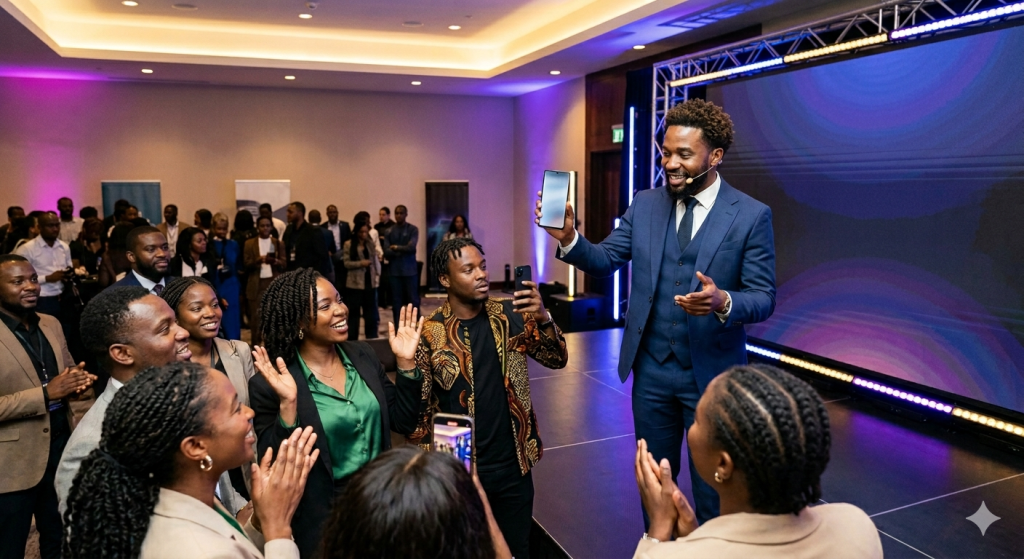
A successful product launch event separates a growing brand from its competitors. Most companies use standard hotel ballrooms or convention halls for these events, but these traditional spaces often fail to capture consumer attention. Modern audiences demand memorable experiences before they buy a product. A creative strategy changes how consumers see your new brand.
Our extensive experience in events management and digital commerce shows that creative execution directly increases post-event sales conversions. This guide provides six practical strategies to maximize your audience reach and build lasting consumer engagement.
Strategy 1: Select Non-Traditional Venues
Avoid standard hotel ballrooms and convention halls for your product launch. These traditional spaces fail to capture consumer attention. Instead, select an unusual location that directly reinforces the identity of your product. The right venue changes how consumers perceive your brand.
Look for spaces that physically represent your product features. When you choose a venue that complements your item, your audience remembers the experience longer.
Strategy 2: Build Influencer Partnerships for Scale
Invite relevant industry content creators to scale the reach of your launch event. Working with online personalities expands your visibility beyond the physical room. You must give these digital partners specific assets to share with their audiences.
For example, set up physical, branded photo stations with clear lighting at your venue. These setups encourage guests to capture high-quality images immediately. Next, distribute premium gift bags that contain the new product. Content creators use these products to film organic reviews and unboxing videos. Finally, establish one unified social media hashtag for all event attendees. A shared hashtag groups online conversations together, makes your brand trend online, and drives digital traffic to your sales pages.
Strategy 3: Deploy an Information Teaser Campaign
Start a whisper campaign before your official launch date to build anticipation. Release a few interesting details to get your target audience talking, but do not give away the main secrets of the event. Withholding key information creates curiosity and keeps your brand at the center of consumer conversations.
For example, send invitations that include only the date and geographic coordinates instead of the venue name. If you secure high-profile celebrities, musical acts, or industry experts for your event, tease the crowd with hints rather than naming the guests directly. This method encourages your audience to speculate online, share your teasers, and actively monitor your communication channels for updates.
Strategy 4: Apply Strategic Exclusivity
Restrict access to your live launch event to increase its perceived value. Limited entry drives high demand because people naturally want to attend events that feel exclusive. Instead of making the launch public to everyone, use scarcity to attract highly motivated consumers.
For example, allocate your priority event tickets to loyal customers who purchased your products in the past. You can also provide special entry tokens to verified members of your online community or digital asset holders. This approach rewards your most dedicated supporters, encourages early ticket sign-ups, and builds a sense of community pride around your brand.
Strategy 5: Align the Event Theme with Product Identity
Create a unified event theme based on the practical use of your new item. Every decorative element, presentation, and guest activity must reinforce what the product does. When your theme aligns with your product utility, the event naturally teaches the audience about your brand value.
Design hands-on activities where your guests use the product features to solve a specific problem. A cohesive theme helps consumers connect the event experience directly back to your product functions.
Strategy 6: Expand the Event into the Metaverse
Use virtual reality and online platforms to expand your launch event to an international audience. Traditional venues limit your guest list to a single physical location. Digital spaces remove geographic boundaries completely, allowing anyone with an internet connection to participate.
For example, launch digital versions of your product lines inside established virtual reality platforms. You can also host a hybrid presentation where global users view live avatar demonstrations simultaneously. This strategy allows attendees to interact with your team, explore digital models of your product, and purchase items from anywhere in the world. Using online environments helps you scale your brand reach, lower travel costs for guests, and collect useful audience engagement data.
Conclusion
Successful product launches combine non-traditional venues, digital extensions, and structured scarcity. When you avoid generic spaces and apply creative themes, your audience remembers your product longer. Expanding your reach through online platforms and trusted creators allows your brand to influence consumers globally.